
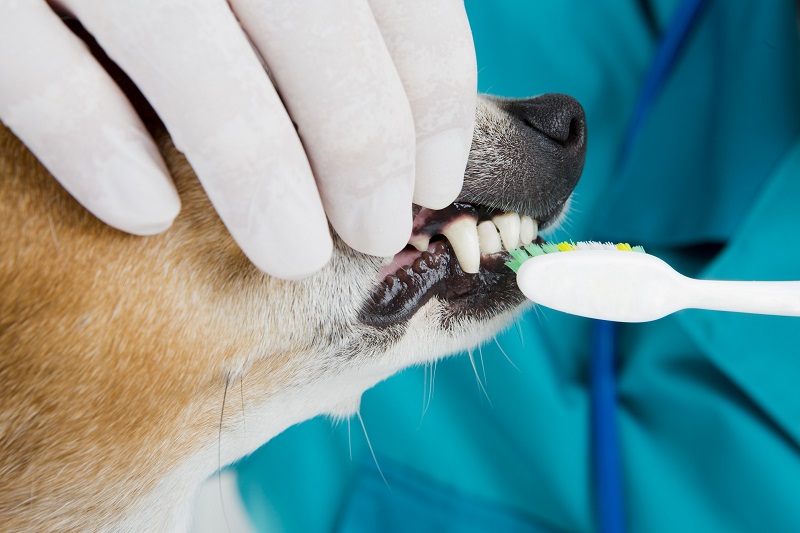
When was the last time your pet had a professional dental cleaning? According to the American Veterinary Medical Association (AVMA), many pets show signs of periodontal disease by the time they are three years old. Regular dental exams and professional cleanings can help protect your pet’s teeth, gums, and overall health.
Request an AppointmentGum Disease in Dogs and Cats
Dogs and cats can develop many of the same dental problems that affect people, including gingivitis, periodontal disease, tooth decay, staining, and damaged teeth.
Dental problems can begin when food particles and bacteria accumulate on the teeth and along the gum line. Over time, this buildup forms plaque, which can harden into tartar if it is not removed. As plaque and tartar continue to accumulate, they can irritate the gums and contribute to inflammation, infection, periodontal disease, and tooth loss.
Routine dental care helps remove this buildup and allows the veterinarian to identify oral health concerns before they become more serious.
Signs of Dental Disease in Pets
Pets do not always show obvious signs of dental pain, so it is important to watch for changes in their eating habits, behavior, and appearance. Contact the veterinary office if you notice signs such as:
- Broken or loose teeth
- Difficulty or discomfort while eating
- Persistent bad breath
- Excessive drooling
- Red or bleeding gums
- Discoloration or buildup on the teeth
- Swollen or inflamed gums
- Loss of appetite or unexplained weight loss
A veterinary dental examination can help determine the cause of these symptoms and whether your pet needs a professional cleaning or additional treatment.
The Risks of Untreated Periodontal Disease
Without treatment, periodontal disease can become painful and lead to serious oral health problems, including tooth loss, abscesses, and infections. Bacteria associated with advanced dental disease may also enter the bloodstream and potentially affect other areas of the body.
A combination of professional veterinary dental care and consistent at-home oral hygiene can help reduce plaque and tartar buildup and support your pet’s long-term health.
Pet Dental Cleanings in El Segundo
Regular dental examinations are an important part of your pet’s preventive health care. During a dental visit, the veterinarian can examine your pet’s mouth, teeth, gums, and surrounding structures for signs of dental disease or other concerns.
When a professional dental cleaning is recommended, plaque and tartar are carefully removed from the teeth, including areas below the gum line that cannot be adequately cleaned at home. The teeth can then be evaluated for additional problems that may require treatment.
Between professional cleanings, at-home dental care can help maintain your pet’s oral health. Depending on your pet’s needs, this may include brushing with pet-safe toothpaste, using an appropriate pet toothbrush, and providing veterinarian-recommended dental chews or other oral care products.
To learn more about veterinary dental services or to schedule a dental examination for your pet, call (904) 240-0426 today.